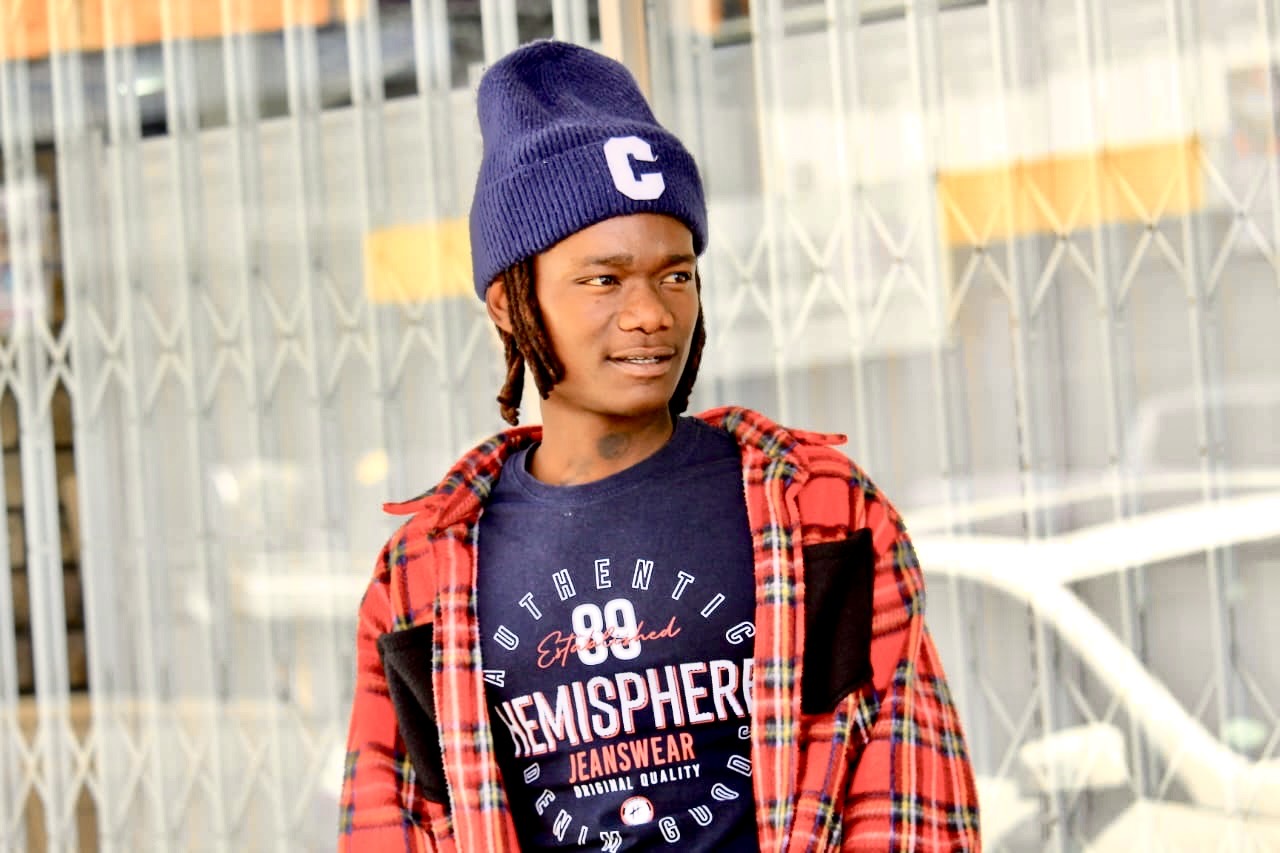
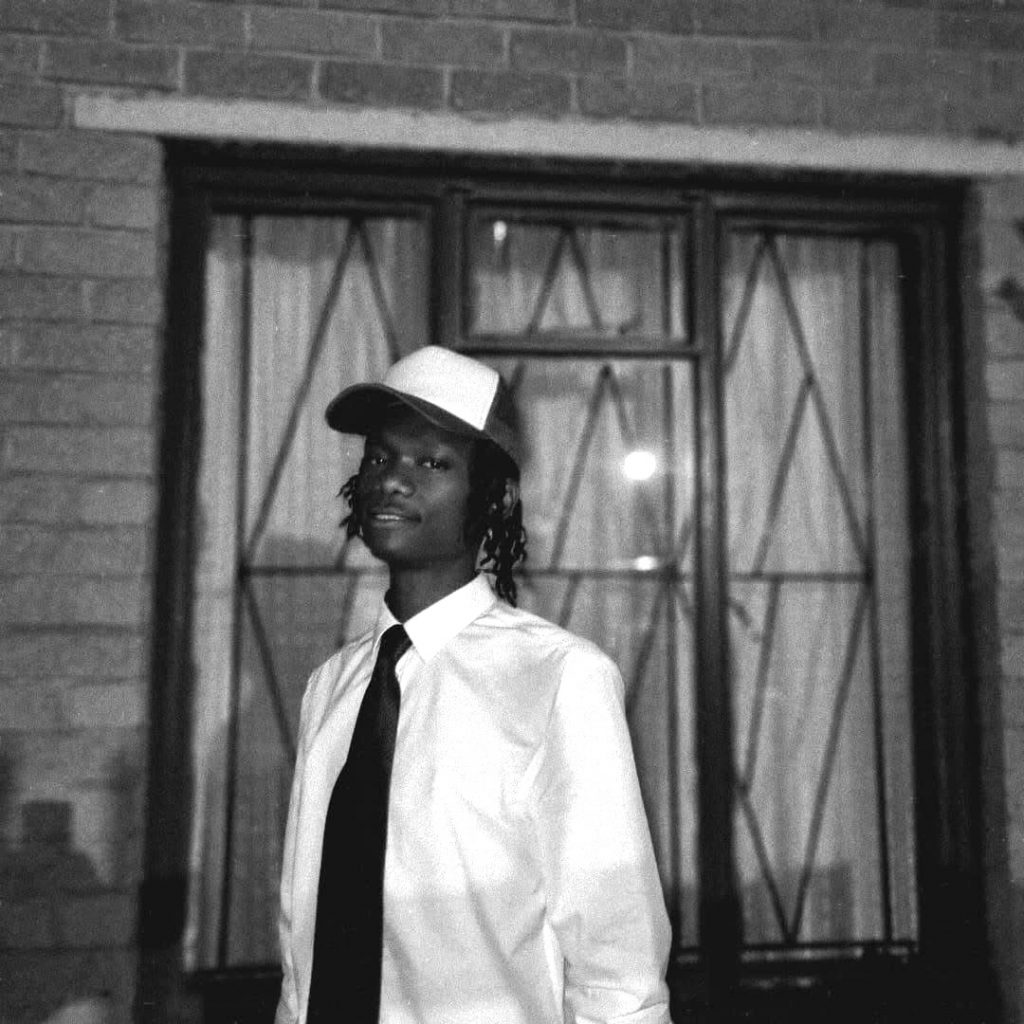
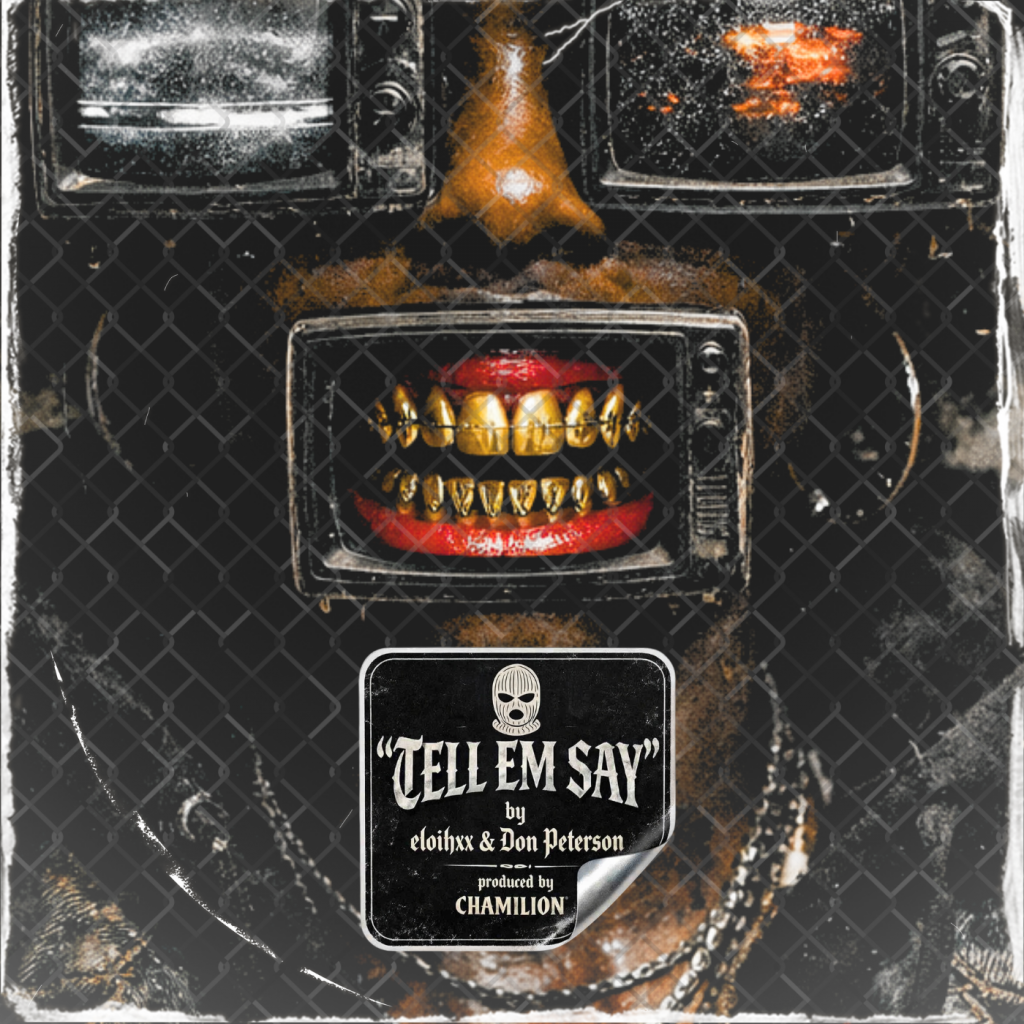
eloihxx is from a small town called (Khuma) in Stilfontein, South Africa. A place where you are only relevant if you’re famous or rich. So everyday it’s a hussle to make ends meet, thus besides music he also owns and runs a fast food business.
Also the host, Sound Engineer plus Editor for his own podcast called “Live and Direct Network”. Which is a platform meant to make the people aware of current affairs around the world.
2. What inspired eloihxx to start playing and making music?
As early as Primary School I was always interested in being a song writer and a musician, because majority of the then famous hit songs were primarily in vernacular languages and I wanted to make English language music popular.
So when I got to high school I started hearing songs from local artists, and I was fascinated by their abilities to make music on their own. This led me to finding a recording studio so that I could finally make English speaking music. And kind of educate them about the importance of wordplay and metaphors to describe normal life.
So when I got to High school I started hearing songs from local artists, and I was fascinated by their abilities to make music on their own.
3. Who are eloihxx’s biggest musical influences?
I grew up mainly on G-Funk era of hip hop, by then the scene was run by Nate Dogg, Snoop Dogg and mostly California artists. But as I grew I drew closer to the southern era of rap, which was heavily run by the Cash Money crew, with Lil Wayne being the biggest influence.
By the time I started making music, I was now a full time Underground head. And was trying to be like Vinnie Paz and the AOTP crew.
My current music style is New York Boom Bap and Atlanta Trap Rap. I focus mainly on melodic rhymes and cadences. I reflect a lot on my personal life and experiences as a kid who grew up in a dangerous ghetto.
4. What are your goals in the music industry or as an artist?
To be honest, from where I am from it’s rare to find musicians who make an honest living out of music as a career. So I am trying to prove a point that following your dreams and being consistent can actually turn a hobby into a career that can take care of my needs and my family’s needs. Without having to need a day job, you’ll obviously hate later.
5. Tell us about your creative process.
Everything starts with a chord progression, or if lucky it starts with a very good sample. I make the beats first on FL Studios, ideas for the lyrics usually come while the beat is being made.
At that point I usually stop making the beat and now focus on the lyrics and flow. Once they’re composed I would record the song on the unfinished beat.
The beat is then finished using elements from the vocals and flow. New sounds and silences are then added to accommodate the lyrics and voice.
The rough version of the song, is then played to a couple of friends and close associates to see the reaction before the final mix is released.
6. What is your all-time favorite song by another artist and why?
Rolls Royce Break Lights by StoveGodCook$. When the song starts he says a quote “joy comes in the morning, but the plug come late night…i just wanna be successful”. I love this song because this artist once had potential to have a thriving career but due to his environment he got arrested and couldn’t work. But as soon as he was released he dropped this song, and it motivated him to be who I know today. And that shows me that there’s more to life than what today offers.
I love this song because this artist once had potential to have a thriving career but due to his environment he got arrested and couldn’t work.
7. What is the best advice you have either given or received in terms of music?
Making a lot of good songs without a clear path of where you want to go, will burn you out and waste a lot of good material. It’s important to know the business side of music and not just the art.
8. What is your proudest accomplishment?
Buying my Studio Equipment. I got my first job as a student biotechnologist and I literally used all my money in buying the beat equipment money can buy. And after a year of buying, I had the confidence to quit my job and focus on my art without needing other people to help me make songs.
I got my first job as a student biotechnologist and I literally used all my money in buying the beat equipment money can buy.
9. What’s been your most embarrassing moment so far?
Recently i was listening to a song by “Jay Katana” a South African Hip Hop artist. And in his chorus he sang “you’ve never made money from your art… so keep quiet”. I kinda felt embarrassed because I am a big music critic and yet I’ve never made a cent from my music yet am loud when talking about other people’s music quality and taste.
That made me want more from life , and consider why am even making art if I still need a day job (which is my current fast food shop).
10. Tell us about your lowest and highest points in music so far.
Lowest point was realizing the sad truth that my closest friends and family members didn’t really like my music. They only say that to my face to just seem nice, but they never stream, share, not comment on the music itself.
Highest point was last year June 16, when I released my mixtape “more or less” and I was able to address everything and how it made me feel. This was pure joy, because finally my closest people started having their own favourite songs from my own catalogue, which was made to dismiss them. But it did the opposite.
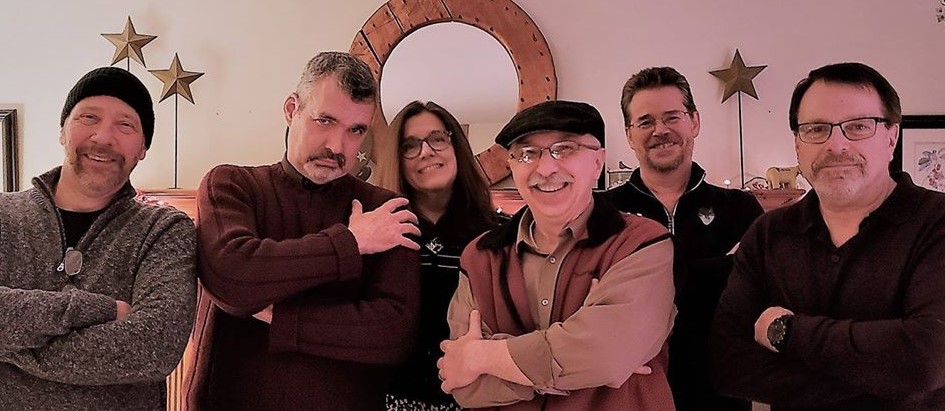
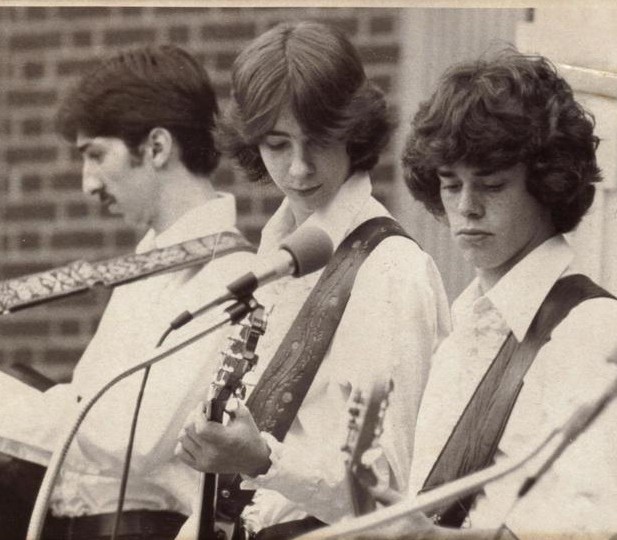
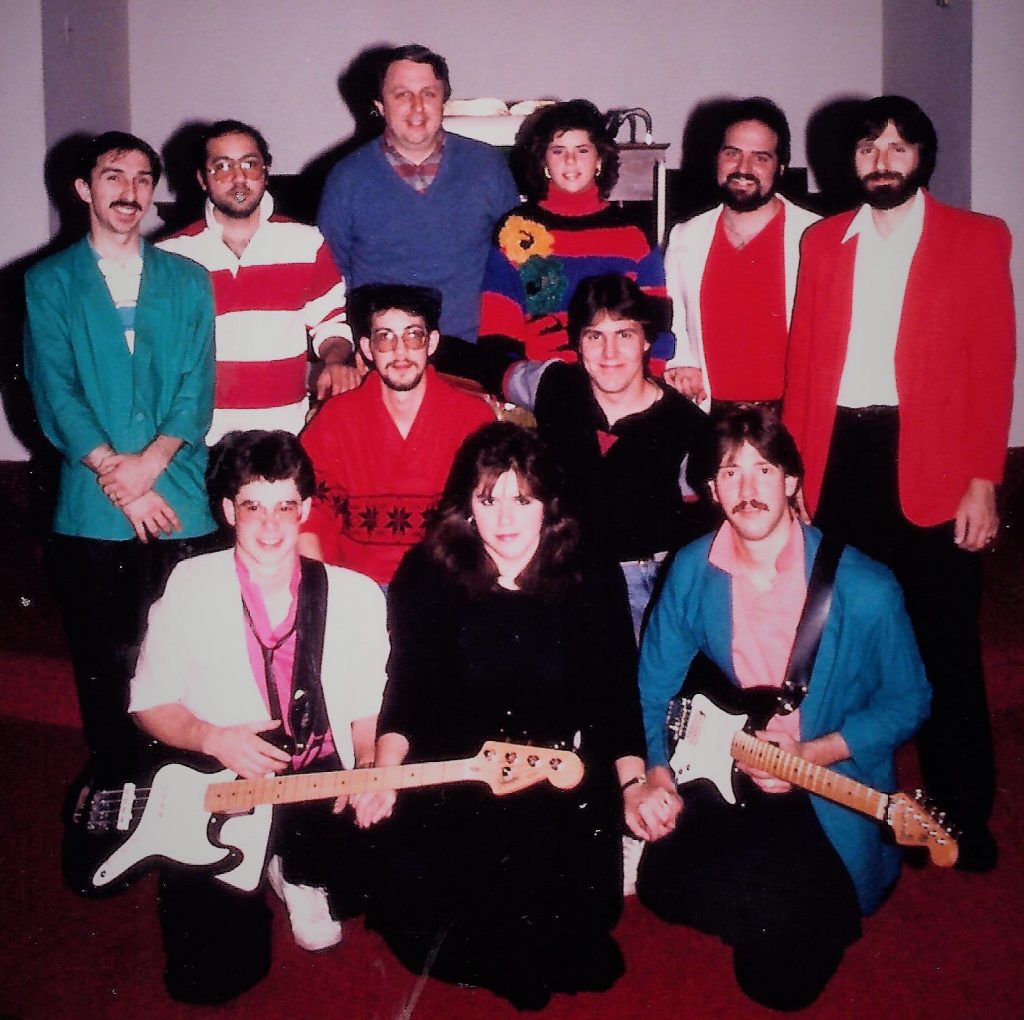
My name is Mark Lajoie – I curate and promote our music. Our band officially started as Living Waters in 1976, but some of us knew each other musically as early as 1972 in Maine. We moved to Massachusetts and met the rest of the band through a retreat center. Our first concert was in summer 1976.
2. What inspired Living Waters to start playing and making music?
It was almost like it was arranged. We believe, in fact that IT WAS! just the right amazing talents in each of us, meeting & blending in just the right way. I started getting inspired songs for meditation as a teen, and our piano player, Mike, started writing songs. But then we started to create band songs as the years went on, and everyone joined in on the arrangement process. IT sounds trite…but, yes, The Lord inspired us to make this treasured music!
But then we started to create band songs as the years went on, and everyone joined in on the arrangement process.
3. Who are Living Waters’ biggest musical influences?
For me? The BEATLES! and then Peter, Paul & Mary, Handel, 60’s pop music and, later, Christian rock, like 2nd Chapter of Acts, Phil Keaggy, Larry Norman, Servant. Our lead guitarist loved Rush & The Who and similar guitar bands. Early U2? had an IMMENSE effect on ALL of us. I would describe Living Waters as inspirational classic Christian rock band that also breaks that mold, plus adding a bit of worship, classical & folk.
4. What are your goals in the music industry or as an artist?
In the last few years, since cvd, we have stopped, no longer operational as a band. We are all now grandparents with growing families. But I have continued to work on adding recording touches to the band classics, remixing, re-creating, and using poor man’s methods for getting our treasures out there for a new time. I’ve been discovering that people are reacting strongly to it, as if the time is NOW more than it was ‘then.’ I am also creating my own music under my name. My goal is to get this music out to human ears at this time when it seems so needed.
5. Tell us about your creative process.
For the most part, the music just happens during prayer for the songwriter! Words & music often just come together. Then we bring the song to the group and work it out for performance. Some of us went to songwriting conferences and took singing lessons in the 80s to strengthen our effectiveness. There have been other songs that were sweated out more conventionally, no less inspired in my view.
6. What is your all-time favorite song by another artist and why?
“Thank You, Lord” by John Polce. As a group, we’ve always admired our musical friend, John Polce – one of the best voices I’ve ever heard live. He opened for our first concert. He has quite a conversion story. We all think his song “Thank You, Lord” is a masterpiece.
As a group, we’ve always admired our musical friend, John Polce – one of the best voices I’ve ever heard live.
7. What is the best advice you have either given or received in terms of music?
At a very early concert, I felt in my soul an invitation. I felt Someone saying, “Would you rather make it really big in the music industry at enormous danger to your soul? or do it poor-style, get married, have children, with far greater eternal hope.” That was so easy. The latter ladder to the skies, please! It seems to me I’ve found a group here in NAS who matches and believes in this advice to an amazing degree. There is NO better advice for musicians right now, I would say.
8. What is your proudest accomplishment?
I managed to get a song of mine, “Peter the Rock”, personally delivered to Pope John Paul II through the good graces of Ambassador Raymond Flynn from Boston. I talked to his secretary and she got it done! He sent a blessing “to you and to your family”. I’ve always thought anyone who is in a musical family of mine like NAS! – is included in this blessing.
I talked to his secretary and she got it done!
9. What’s been your most embarrassing moment so far?
I was leading a stadium of 25,000 people, at the World Marriage Encounter Convention, in singing the antiphon to the Psalm at Mass. I butchered it! and I never did get it right each time it was repeated. The whole stadium in cacophony! Now THAT is about as embarrassing as it gets. But it’s actually GREAT! This has served as the perfect antidote whenever I start thinking I’m hot stuff or something – perfect for knocking me off my high horse!
10. Tell us about your lowest and highest points in music so far.
High point? one was a concert at Hartford Civic Center where their mixing crew LOVED us and understood what we were doing, e.g. they were picking up harmonic tones from my Ovation, you could hear the perfect mix for bass & drums. And we were clicking as great as we ever did. Circa 1980 or so it looked like we were dead as a band already; some of us lost our way. But then it all came back together in such a way that we made some of the best music we ever had. Our song “Nobody Else” is a celebration of this.
I’m originally from Oregon, but I moved to Northern California as a young child. At age 20, I moved to Southern California and have lived in the Los Angeles, Orange County, or San Diego areas for most of my adult life. I currently live in San Clemente, CA, the southernmost city in Orange County. It’s a small beach community, and I love it.
By day, I work in the video game industry as a Lead Producer, helping build award-winning video games and the technology behind them. That world has definitely influenced the way I approach music, especially my love for cyberpunk, science fiction, technology, and creating something that feels bigger than just a song.
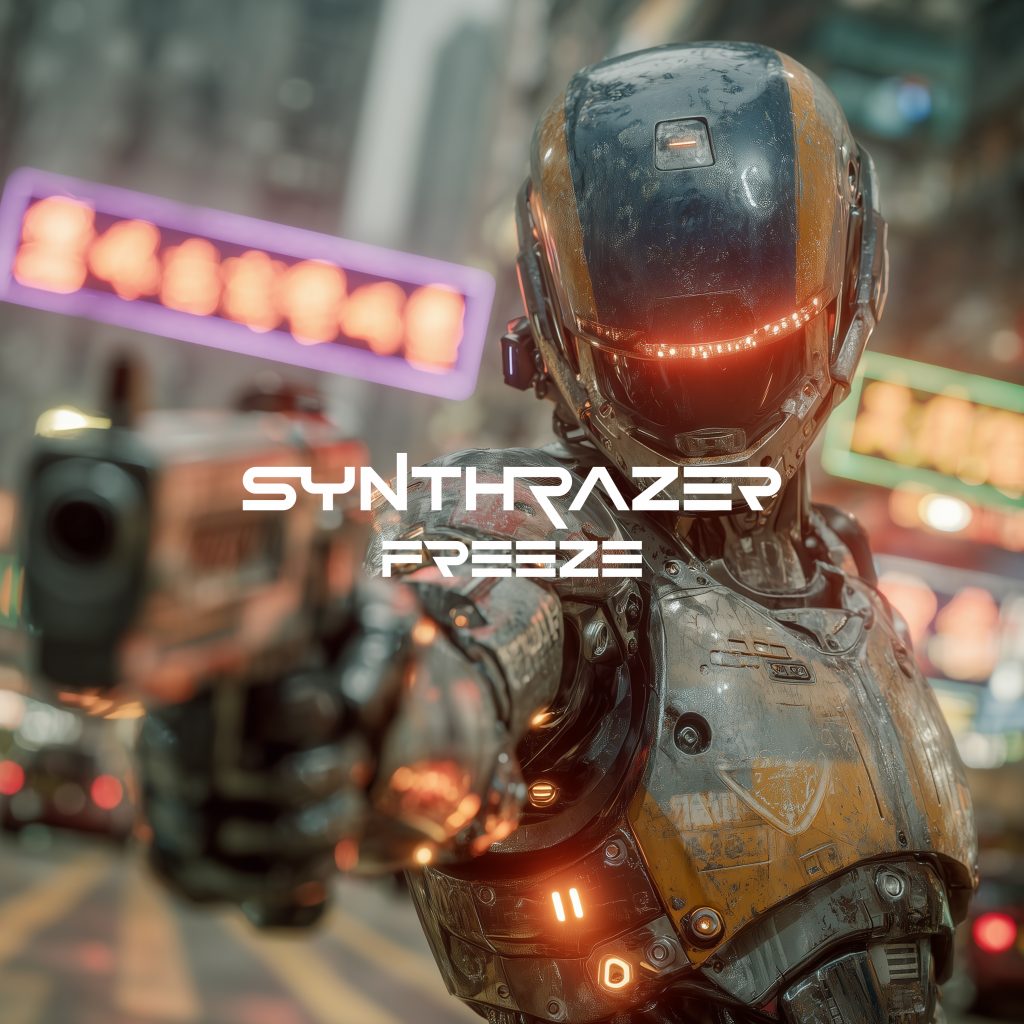
Outside of that, I’m the artist and producer behind SYNTHRAZER, an independent electronic music project blending dark techno, synthwave, industrial, and EBM sounds with a cinematic cyberpunk atmosphere. I write and produce everything out of my home studio, and right now I’m focused on continuing to develop the SYNTHRAZER sound, releasing new music, and building out the larger world and identity around the project.
2. What inspired SYNTHRAZER to start playing and making music?
As a child of the ’80s, I became obsessed with all kinds of music starting in the third grade, especially electronic music and anything built around synthesizers. Over the years, my tastes have moved through rock, metal, country, rap, industrial, techno, trance and progressive, synthwave, and darker electronic music. I’ve always been fascinated by the way music can create an entire atmosphere or world.
For a long time, I was a listener rather than a musician. I DJ’d electronic music for many years, but never produced my own. Professionally, I spent most of my creative energy working in video games, where music, art, technology, and storytelling all come together. Eventually, I reached a point where I wanted to create something that was completely my own, from the first sound to the finished track.
That’s really where SYNTHRAZER came from. I started experimenting with music production, synthesizers, and sound design and quickly became obsessed with it. I realized I could combine so many things I already loved, cyberpunk, science fiction, games, film, and electronic music, into one creative outlet. It stopped being about simply making songs and became about creating unique sounds and building a world that I wanted to exist in.
Eventually, I reached a point where I wanted to create something that was completely my own, from the first sound to the finished track.
3. Who are SYNTHRAZER’S biggest musical influences?
My musical influences are pretty broad and come from several different eras and genres. I grew up with artists like Depeche Mode, New Order, Nine Inch Nails, and The Cure, and later became heavily influenced by electronic music, especially industrial, techno, trance, and progressive. More recently, artists like Carpenter Brut, Perturbator, Gesaffelstein, and Extra Terra have been big influences on the darker, heavier side of what I create.
I’d describe SYNTHRAZER as a collision of dark techno, synthwave, industrial, EBM, and cinematic electronic music. Some tracks lean heavily into techno and club energy, while others are slower, heavier, or more atmospheric. I don’t really want the project locked into one specific genre. The common thread is the world around it: dark, futuristic, cinematic, and distinctly cyberpunk.
I’m especially drawn to distorted synths, heavy bass, driving rhythms, atmospheric pads, and sounds that create tension and scale. I want a SYNTHRAZER track to feel less like you’re simply listening to a song and more like you’ve stepped into a neon-lit dystopian city at 2 a.m.
4. What are your goals in the music industry or as an artist?
My ultimate goal is to reach a point where I can make music for a living and dedicate myself to SYNTHRAZER full-time. I’ve spent much of my professional life helping build other people’s creative visions, and I’d love to eventually have the opportunity to put that same energy into building my own.
At the same time, success to me isn’t just about numbers, streams, or income. I want to build a real audience around SYNTHRAZER and create music that people genuinely connect with and want to come back to. I want to keep evolving the sound, release more ambitious projects, collaborate with other artists, and continue expanding the visual world and identity surrounding the music.
Long term, I’d also love to see SYNTHRAZER music find its way into video games, films, television, and other media. Given my background in games, having these two parts of my creative life eventually intersect would be incredibly rewarding.
Ultimately, I want SYNTHRAZER to become something sustainable that I can continue building for years. If I can make the music I want to make, find an audience that connects with it, and eventually make a living doing it, that’s the dream.
5. Tell us about your creative process.
My creative process is pretty organic, and I rarely start a track knowing exactly where it’s going to end up. Usually it begins with a sound, a bassline, a synth progression, a beat, or even just an atmosphere that catches my attention. I’ll start experimenting with it and gradually build outward until the track begins to develop its own identity.
I spend a lot of time experimenting with synthesizers and sound design. Sometimes the imperfections or unexpected sounds are what end up defining the entire track. Once I find that core idea, I start layering drums, bass, synths, textures, effects, and melodies around it. I tend to work iteratively, listening over and over, adding things, stripping things away, and letting the track tell me what it needs.
There’s also a very visual element to the way I make music. I’m often imagining a place, scene, or moment while I’m working: a futuristic city at night, a chase through neon-lit streets, a massive industrial space, or something more introspective and atmospheric. That mental imagery influences everything from the sounds I choose to the pacing and structure of the track.
Eventually, a story starts to emerge from the music. That’s usually when the title, artwork, and visual identity begin coming together as well. For me, SYNTHRAZER isn’t really a process of making the music first and figuring out everything else afterward. The music, imagery, atmosphere, and story tend to evolve together as different pieces of the same world.
6. What is your all-time favorite song by another artist and why?
This is both an insanely hard and insanely easy question to answer at the same time. When I first heard “High Roller” by The Crystal Method, it literally blew my mind! I had never heard a track like that before. It had this dark, clubby vibe but was still distinctly unique and completely its own thing. I still go back and listen to that track a lot for inspiration. There’s just something about the energy, atmosphere, and sound that has stuck with me all these years. Man … I freaking LOVE that song!
When I first heard “High Roller” by The Crystal Method, it literally blew my mind!
7. What is the best advice you have either given or received in terms of music?
The best advice I’ve received is pretty simple: just keep making music. Don’t wait until you think you’re good enough, don’t obsess over whether every track is perfect, and don’t compare where you are today to someone who has been producing for twenty years. Finish songs, put them out into the world, learn from them, and then make the next one.
I think there’s a huge temptation, especially when you’re starting out, to endlessly tweak something because you think it needs to be perfect. But I’ve learned more from actually finishing and releasing music than I ever would have from endlessly working on the same track.
I’d also add one piece of advice of my own: make the music you actually want to hear. Trends change. Genres come and go. Algorithms change. But if you’re creating something you genuinely love, at least you know there will always be one person who wants to crank it up ridiculously loud! And hopefully along the way you find a few other people who do too!
8. What is your proudest accomplishment?
My proudest accomplishment as an artist was releasing my first-ever original track, “Bleed Neon. Shatter The Grid.” There’s something incredibly rewarding about going from being a lifelong music fan and DJ to sitting down and actually creating something completely from scratch, finishing it, and putting it out into the world with my name on it.
I remember hearing the finished track and thinking, “Holy shit…I actually made this.” That was the moment SYNTHRAZER went from being an idea in my head to something real.
I’ve released a lot more music since then, and hopefully there are much bigger accomplishments still ahead of me, but I don’t think anything will ever replace that feeling of releasing the first one. It proved to me that I could actually do this, and I’ve working on doing it ever since.
There’s something incredibly rewarding about going from being a lifelong music fan and DJ to sitting down and actually creating something completely from scratch, finishing it, and putting it out into the world with my name on it.
9. What’s been your most embarrassing moment so far?
I’ve been alive long enough to have an unfortunately deep catalog to choose from. But for this interview, I’ll relay a brief story from when I was DJing at a club in downtown San Diego called L5. This was many years ago, I don’t think it’s there anymore.
Anyways, I was soooo excited to be playing there. It was my first night at the club, all of my friends were there watching, DJ friends from all over were there watching…and man, I trainwrecked EVERY mix. Badly. I was absolutely mortified. The nerves clearly won on that occasion.
Needless to say, they never had me back. Haha!
10. Tell us about your lowest and highest points in music so far.
The lowest points for me have probably been the times when someone has accused my music of being AI-generated. I put an enormous amount of time and effort into every track, from writing and arranging to sound design, mixing, and obsessing over tiny details that probably nobody else will ever notice. So when someone hears the finished product and immediately dismisses it as “AI,” it can be incredibly frustrating. I have nothing against using new technology as a creative tool, but there’s a big difference between using tools and having the work itself reduced to “a machine made this.” I know how many hours went into every one of those tracks.
The high points far outweigh the lows, though. Releasing my first track, “Bleed Neon. Shatter The Grid.,” will always be one of them. That was the moment SYNTHRAZER became real. Another huge milestone was releasing my first full album, System Initialization. Seeing an entire collection of music that I had written and produced come together as a finished body of work was incredibly rewarding.
And then, to my surprise, people actually bought the album! It was a very small number, haha, but honestly, that didn’t matter. Knowing that someone out there connected with something I created enough to actually spend their money on it was an incredible feeling.
There are numbers and milestones I’d love to reach in the future, but those two moments are hard to beat. One was proving to myself that I could actually make and release a track. The other was proving to myself that I could build an entire album and a world around it, and that there were people out there who actually wanted to be part of that world.
I grew up on a farm in southeastern North Carolina. Moved to the “big city” of Raleigh when I was 22 and spent my adult life there until this year, when I decided to make a big change and moved to Camano Island, WA.
2. What inspired Dead Dave to start playing and making music?
As early as I can remember, I liked being creative. I was full of ideas that were just clamoring to get out. I’ve always been very artistic, drawing and painting. And I like to write: fiction, poetry, and eventually songs. I took piano and trumpet lessons in middle school, and started my first band in high school.
I was full of ideas that were just clamoring to get out.
3. Who are Dead Dave’s biggest musical influences?
Man, I grew up on the Allman Brothers, Lynyrd Skynyrd, Charlie Daniels (from my neck of the woods, btw), the Eagles, Molly Hatchett, KISS, Springsteen, Prince. And while my musical style is nothing like Prince, he’s definitely one of my biggest influences with how he ignored current trends to just make music he liked. My style is a bit of a throwback to Southern Rock but mixed with the cadences of modern country riding on urban rhythms.
4. What are your goals in the music industry or as an artist?
Honestly, I’m not looking for fame or fortune. I simply want to share my songs. Since I can no longer sing or perform myself, I think the biggest honor to me would be somebody else performing one of my songs.
5. Tell us about your creative process.
Most of my songs start with a story that becomes the base of the lyrics. As noted, I can’t sing anymore but I can still whistle. So I usually think about the words and whistle until I get a melody I like. I record that melody as the foundation for what I create in Ableton, then take it to Suno to flesh out the song. I then bring the stems back to my DAW to clean up and edit. I add my digital voice in place of the Suno-generated vocals, stitch everything together, and master.
So I usually think about the words and whistle until I get a melody I like.
6. What is your all-time favorite song by another artist and why?
Probably Sweet Home Alabama by Lynyrd Skynyrd. It’s an iconic song that’s easy to sing along to, yet has a deep powerful message embedded in the catchy lyrics.
7. What is the best advice you have either given or received in terms of music?
Best advice I ever got was to stop worrying about what others think of you and focus on what you want to create. There will always be critics so make yourself happy.
8. What is your proudest accomplishment?
Musically, the first time my band was booked for a live gig and left to a standing ovation. It’s one thing to think your music is worthwhile, but it’s really cool when that feeling is validated by people listening.
9. What’s been your most embarrassing moment so far?
I was once asked by a friend who was getting married to sing a duet with her sister at her wedding. We practiced just fine but then, at the ceremony, we were both totally off-key! That was so terrible!!!
We practiced just fine but then, at the ceremony, we were both totally off-key!
10. Tell us about your lowest and highest points in music so far.
Lowest is easy. That was when the tremors in my hands and the waver in my voice became so pronounced that I just could not perform anymore. I walked away from music for nearly 20 years. As for the highest point, it was quite early on. It was with my first band, Phaze, and I got my first actual fan letter… handwritten and mailed to my home. I was over the moon that someone liked my music enough to take time to write and send me such an awesome letter.
1. For those that aren’t already familiar, tell us about the music of Todd & Karen.
For those who have followed us from the beginning, they would probably say our music is “Beatleesque”, or Britpop-inspired. And that’s very true. There are few things we love more in our musical life than The Beatles…and Pink Floyd…and The Divine Comedy…and Belle & Sebastian….Pulp…Oasis…Blur…The Kinks. The list of British influences are endless. However, we also come from backgrounds where both folk music and classical has played its parts, so there’s also quite a lot of those influences in our music. If you listen to earlier songs like “L12” you’ll hear the folk (and even country rock) influence, for example…and an early single like “Barbara Barbara Barbara” features some classic influences in the violin parts. Having said all this, we can also be partial to pure pop! Have a listen to “Juicy Gossip From The Mothership” if you doubt us. A rule we’ve put for ourselves is that each new single release should sound quite radically different from the previous one, but also hopefully have some distinctive traits that people recognise as “The Todd & Karen Sound”.
2. Tell us about your recent release.
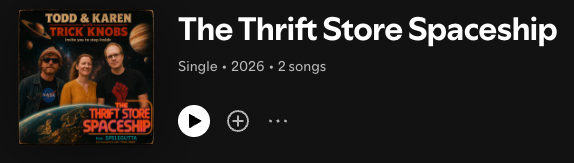
Our latest release is a 2-track single entitled “The Thrift Store Spaceship“. It came out on July 24th, 2026. It consists of the title track, which is largely instrumental and quite a departure from anything we’ve done earlier. Once again we team up with our good friend Trick Knobs (real name Connor Cathey) – he also worked with us on our previous single “WORK” (alongside William Lovitt and Albert Nesbø Baker). He’s helped us produce and mix the tracks and adds keyboards, some guitar and bass magic to the track. Do us a favour and check his solo stuff out! Anyway, the title track is inspired by the lounge and chill out music of French band AIR, but also by mid-era Pink Floyd and prog. We thought it would be cool to see what that style would sound like in a Todd & Karen context. It got to be quite guitar heavy and a bit surf inspired as well. In hindsight we can hear some traces of The Shadows and Norwegian cult heroes Kåre & The Cavemen in there as well, which we are chuffed with. We also want to give a shoutout to Sondre Johan Nørsterud and Albert Corbisier-Berge, aka “Spelegutta”, a local folk music duo who adds traditional, Norwegian Hardanger fiddle to the end of the track. The b-side, “Final Orbit”, is a more straightforward, Beatleesque psychedelic affair with clear nods to Blur, The Divine Comedy and perhaps a little Belle & Sebastian. A friend of ours said he could detect some Neil Young in there too. It follows up the space theme a bit, so it made sense to couple these together for a double single. Why “The Thrift Store Spaceship”? Someone uttered these word in a podcast and it just got us going. Sometimes it takes little to make the little grey musical cells start churning.
3. What are your plans for the future?
Well, that’s the beautiful and perhaps frustrating thing about Todd & Karen. There’s no grand plan to anything. The music just happens when it happens. What we can say is that we have a large back log of songs we hope to get around to recording, and new ones keep popping up. Currently we are working on as wildly different things as an ode to Agatha Christie (which promises to be quite a banger!), we have a song about a man with seven wives and there might be a football anthem in the pipeline. Say no more. Also, after we concluded what we call “chapter 1” with the compilation “Singles” (2024), we’ve started collaborating with other artists. That’s something we hope to do more of on more tracks going forward. It’s fun to add some other perspectives into the duo format.
4. Are there any artists that have an influence on your music that people wouldn’t expect?
We do listen to a lot of different music. People might be surprised to hear that AIR is an inspiration to us – at least if they haven’t heard “The Thrift Store Spaceship”. Radiohead has also been a band that Øyvind has been following passionately throughout their career. A-ha, Norway’s big pop heroes, is another huge inspiration. We also enjoy post-rock acts like Sigur Ros and Mogwai and more electronic acts like Röyksopp and Chemical Brothers. There are lots of great compositions in many genres out there.
5. If you could collaborate with any NAS artist who would it be?
We already collaborated with William Lovitt on “WORK” and loved the process and how that turned out! It would be great to do more songs with the Funkmaster himself down the line. To be honest, we’re open to lots of collabs with the NAS crowd. Bring them on! We have known Kelly Cresswell for a good few years, pre-NAS even, and have floated the idea about maybe doing a duet at some point. That could be very cool.
6. Which NAS artists would you love to see a collaboration from?
It would be cool to see something no one saw coming. How about Franklin & Bell feat. The DamnedKirai, for example? You heard it here first!
7. Which NAS artists would you like to see play live?
Charles Connolly doing the “Hands Up!” album sporting a full backing band with “Spotlight” as his encore would be a great gig! We’re happy to do the support slot, just give us a ring, Charles.
8. How many instruments do you play and which instrument(s) would you like to learn?
Between us we play quite a few instruments. Guitar, bass, keyboards, piano, violin, ukulele…and then we dabble in other instruments. There are instruments we can make quite nice sounds come out of if we try a little extra. If you listen to “L12” on our “Singles” album you’ll hear a banjo riff, and on our latest “The Thrift Store Spaceship” you’ll hear the banjo return together with a mandolin. Øyvind used to play cornet/trumpet and flugelhorn in a brass band also, so if pushed and with some practice, those could be utilised as well.
9. Other than your usual ones, which genres would you like to explore?
We would like to explore some shoegaze, probably. We have a couple of ideas on the backburner that could lend themselves very well to that kind of soundscape. There’s also a song of ours kicking about entitled “Scenic Delaware” which sounds very power pop – Big Star meets Weezer – with a very noisy guitar chorus. Maybe we’ll get around to releasing that one of these days.
10. Tell us about an artist (NAS or otherwise) that you have discovered recently?
We would like to mention Norwegian artist Haakon Ellingsen. He was in a band called The Last James who made a brilliant eponymous album in the 90s and then they disappeared. In the last couple of years, he’s cropped up again as a solo artist and keeps churning out really wonderful, brilliant and melodious 60s influenced pop music. Check out his “Thank You For Your Letter/Dear Old Sun” EP from earlier this year. Fab stuff. Recommended. The whistling part on “Dear Old Sun” is really genius. Super catchy.
You can follow Steve MacDream Colours on their website and Instagram.
1. Tell us a little about where you are from.
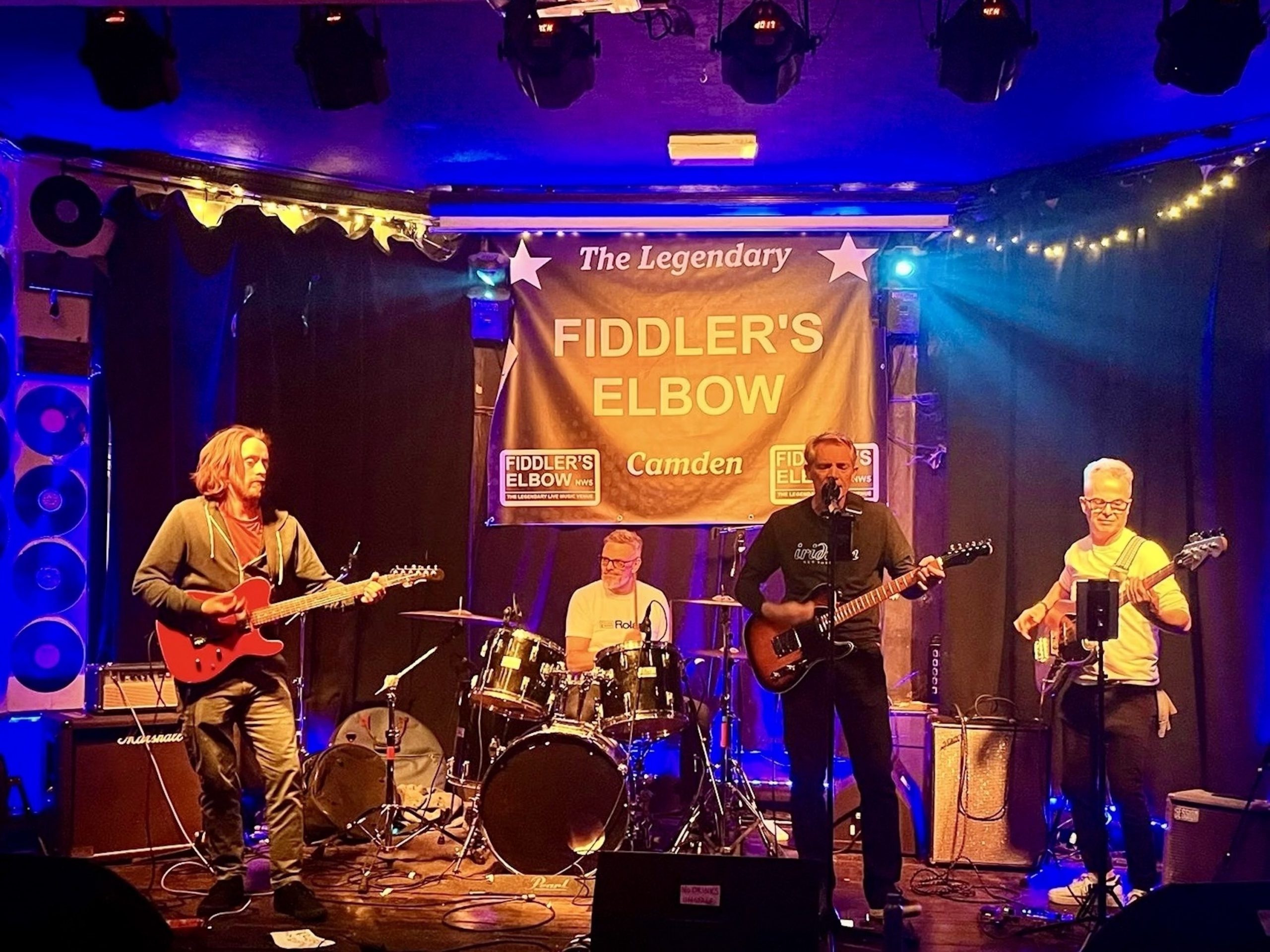
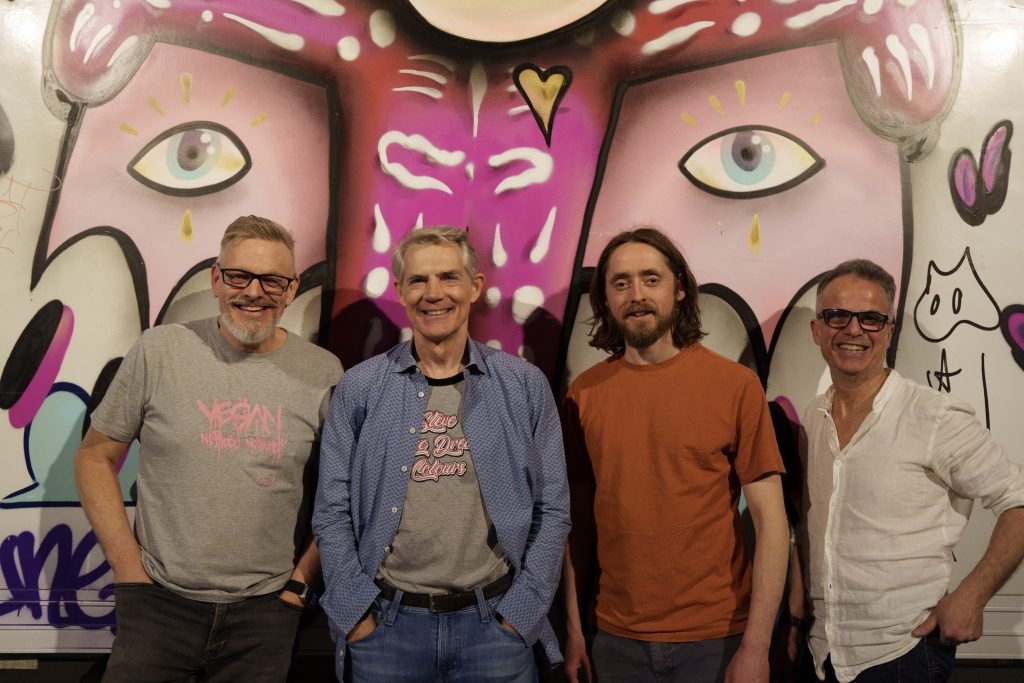
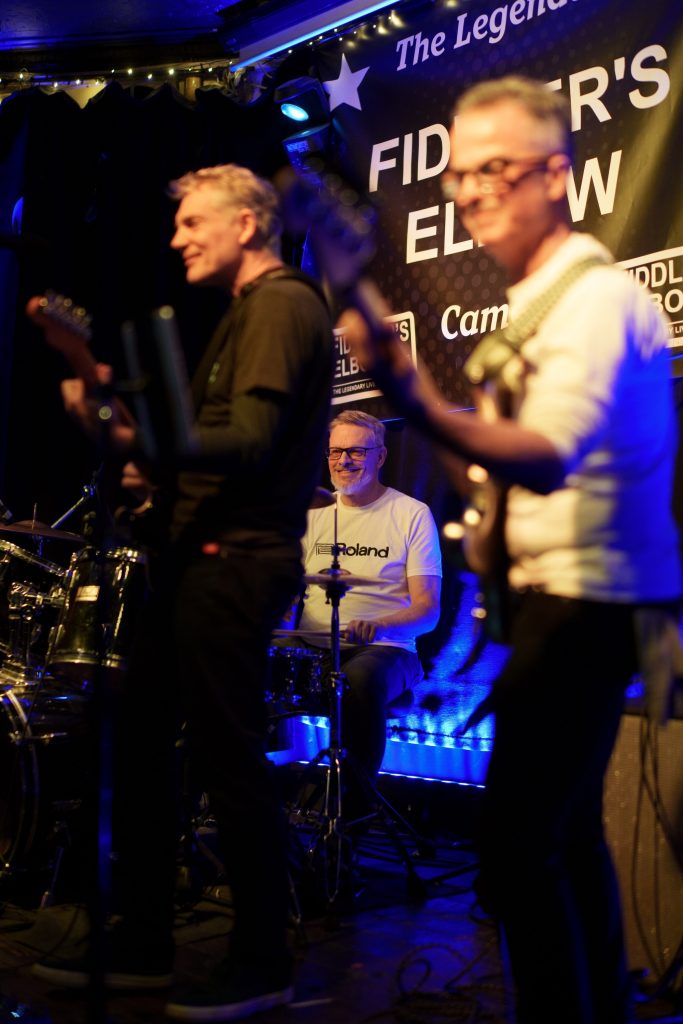
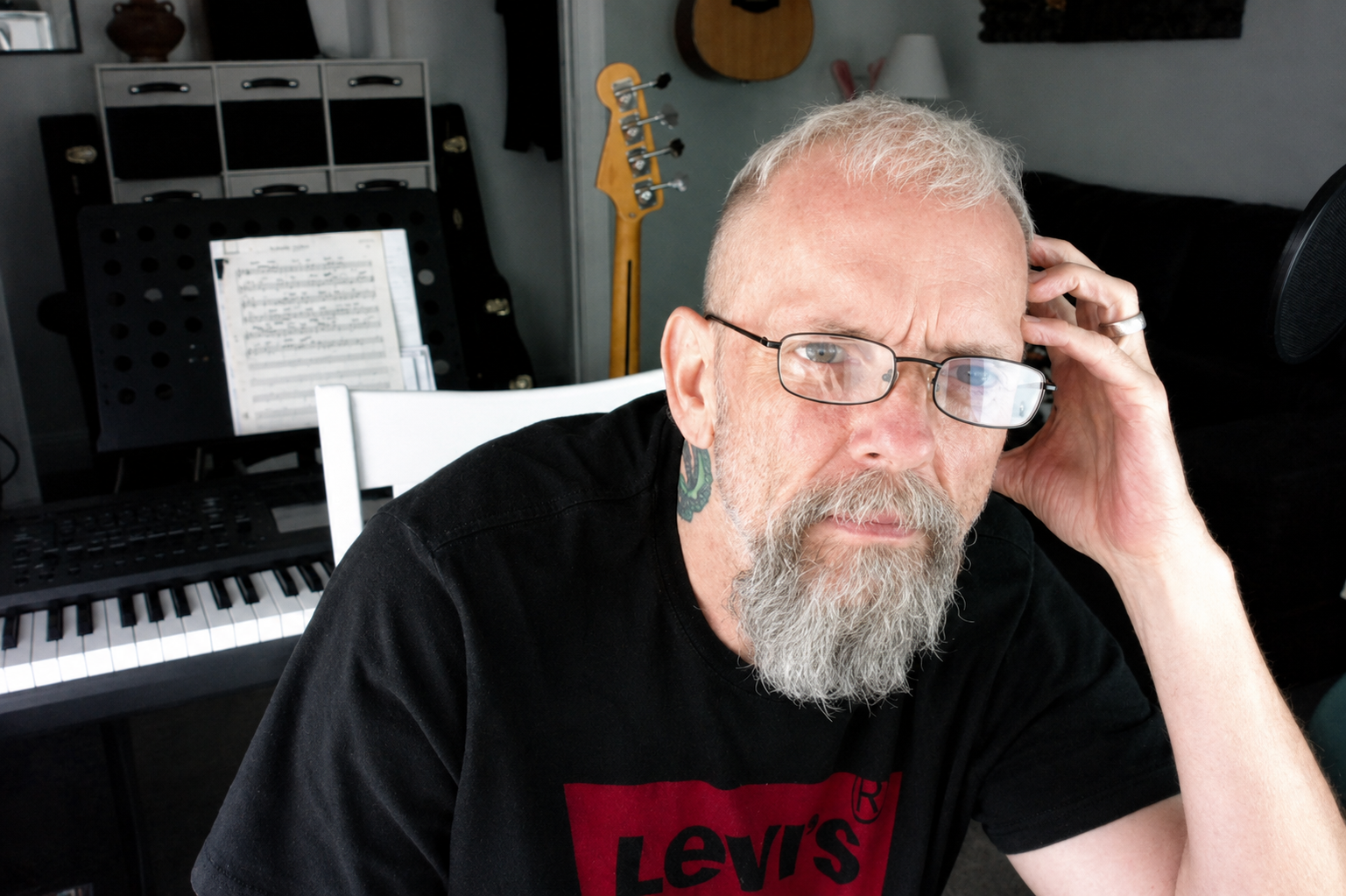
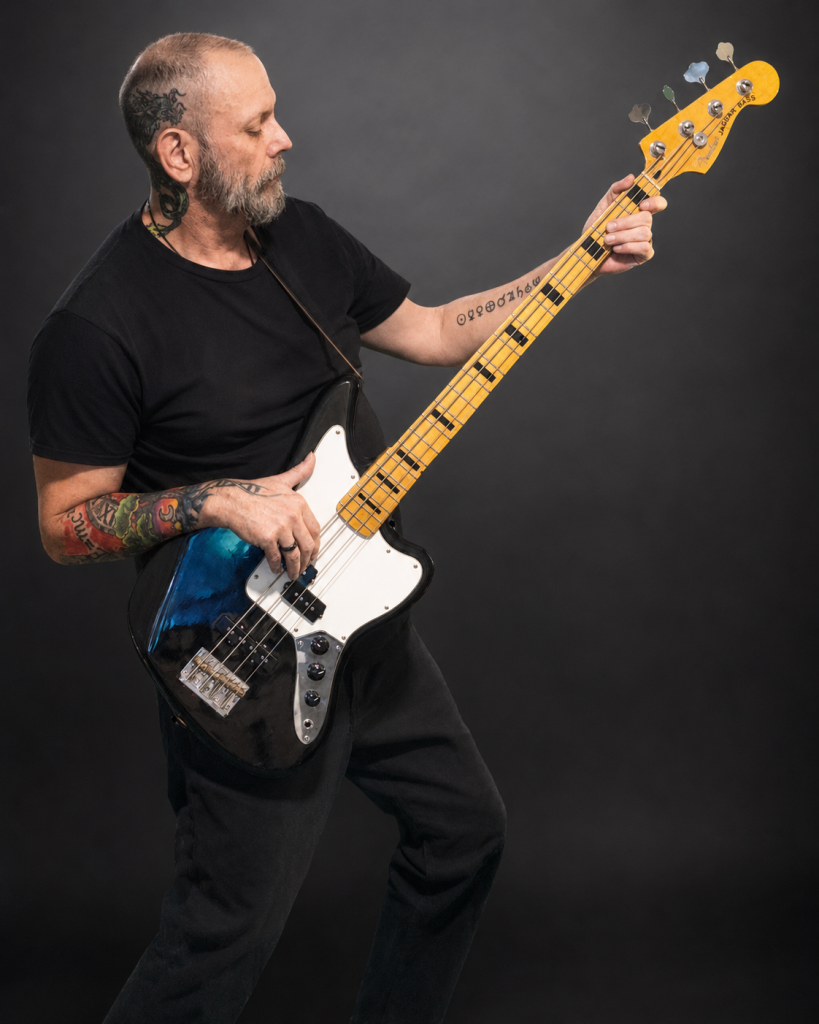
We are Steve MacDream Colours, a four-piece indie rock band based in London. The band officially came together in 2019, although many of the songs date back much further, reflecting ideas and experiences gathered over many years. Today we’re working on our fifth studio album, Along The Road, while continuing to release new singles, play live around London and build our audience completely independently. Every song we release is another step along the same musical journey we’ve been following since the beginning.
2. What inspired Steve MacDream Colours to start playing and making music?
For Steve, it all started as a child listening repeatedly to his parents’ copy of Help! by The Beatles. Those melodies, harmonies and songs opened a whole new world. Since then, writing music has become less of a pastime and more of a necessity. Music has always been a way of understanding life, preserving memories and making sense of the world around us. Even when careers and everyday life took priority, we never stopped writing or playing because creating music has always been part of who we are.
Music has always been a way of understanding life, preserving memories and making sense of the world around us.
3. Who are Steve MacDream Colours’ biggest musical influences?
Our influences come from many decades of music. The Beatles, Pink Floyd, Stevie Wonder, The Kinks, Bob Dylan, Neil Young, David Bowie and many great songwriters have all left their mark on us. Rather than copying any particular artist, we think those influences have gradually become part of our musical DNA. Our music is very much guitar-driven, an indie rock built around melodic songwriting, expressive guitars and thoughtful lyrics.
4. What are your goals in the music industry or as an artist?
Success for us has never been about chasing trends or necessarily becoming famous. Our goal is simply to keep writing honest songs that connect with people emotionally. We want to build a catalogue that listeners can come back to years from now and still find something meaningful in. Remaining independent allows us to follow our own instincts, make the music we truly believe in, and hopefully leave behind songs that outlive us.
5. Tell us about your creative process.
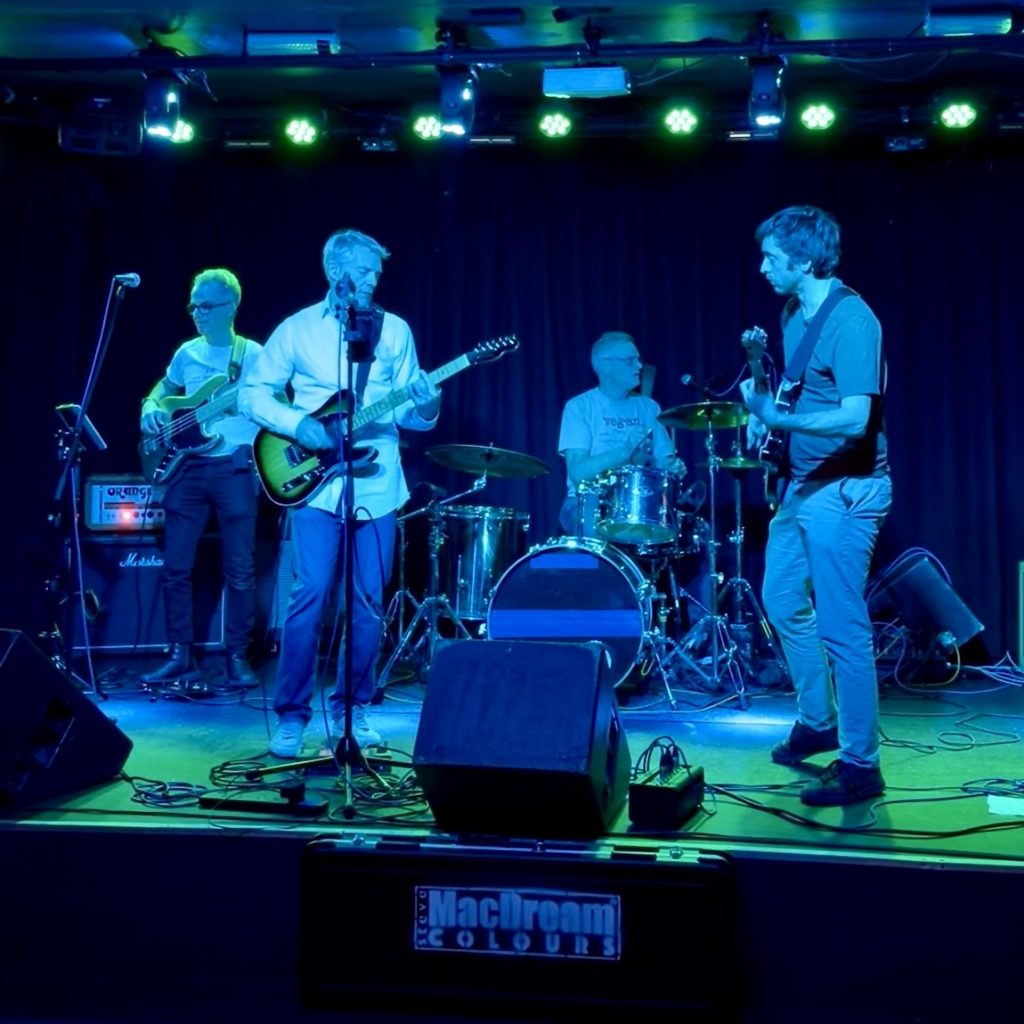
Most songs begin with Steve playing guitar. Sometimes a melody appears while improvising, sometimes during a walk or in the middle of the night, and occasionally while travelling. Once the basic idea exists, the whole band gets involved. Pete shapes the rhythm, Emi builds the groove, Alan adds colour and dynamics on lead guitar, and together the songs evolve naturally through rehearsals and live performances. We don’t force arrangements; we let the music find its own direction.
Sometimes a melody appears while improvising, sometimes during a walk or in the middle of the night, and occasionally while travelling.
6. What is your all-time favorite song by another artist and why?
Choosing one song is almost impossible, but if we had to pick one it would probably be “A Day in the Life” by The Beatles. It combines beautiful songwriting, imagination, emotion and musical adventure in a way that still feels fresh decades later.
7. What is the best advice you have either given or received in terms of music?
Probably the simplest advice: don’t chase trends—chase your inner vision. Musical fashions come and go, but a well-written song lasts. We’ve learned that staying true to your own voice is far more rewarding than trying to sound like whatever happens to be popular this year. In the long run, authenticity is easier to recognise than imitation.
We’ve learned that staying true to your own voice is far more rewarding than trying to sound like whatever happens to be popular this year.
8. What is your proudest accomplishment?
Remaining completely independent while continuing to release music that genuinely reflects who we are, playing regularly live events, and sticking together. Every listener who discovers our songs feels like another small victory.
9. What’s been your most embarrassing moment so far?
The time we turned up for a gig and the bouncer refused to let us in because he didn’t believe we were the band. After a fair bit of explaining, he finally waved us through—only for us to discover we’d gone into the wrong venue!
10. Tell us about your lowest and highest points in music so far.
The lowest, most frustrating point was probably the pandemic, when live music disappeared overnight and the future of performing became uncertain. One of our highest moments was returning to the stage for our first post-pandemic concert in a small London venue. More recently, welcoming Alan into the band completed the line-up we’d been searching for, and recording our fifth album, Along The Road, is the most exciting moment for Steve MacDream Colours so far.
I’m originally from Ottawa, Canada. I’m a musician, producer, and music educator with a background in performance and formal music studies. These days, I divide my time between creating my own music and running The Vibe Vault, where I promote independent artists through playlists, radio, reviews, and a weekly YouTube show.
2. What inspired Rob Bennett to start playing and making music?
I wasn’t inspired by one particular person or moment. Music was simply part of who I was. One of my earliest memories is sitting at the piano and playing melodies I had heard by ear. My parents recognized my connection to music early and made sure I had the instruments and support I needed to develop.
I refused music lessons. I was completely self-taught until I began university training in classical guitar performance when I was 22. That was where my formal music education began.
One of my earliest memories is sitting at the piano and playing melodies I had heard by ear.
3. Who are Rob Bennett’s biggest musical influences?
My own style is changing so quickly that I find it difficult to define. It still sits broadly within rock and pop, but the music continues to grow in harmonic complexity, arrangement, and detail. Each new project seems to push it somewhere different.
4. What are your goals in the music industry or as an artist?
My goals are less about chasing traditional industry success. I want to continue growing as a songwriter and producer while learning how to market my own work effectively.
At the same time, I want The Vibe Vault to grow into a strong platform for independent artists, with a real community behind it. I’m looking for a practical path through the social media landscape and the confusion surrounding AI-generated music, one that I can share with other artists. I believe in “being rooted in community while reaching the world.”
5. Tell us about your creative process.
My creative process usually begins with a few guitar ideas recorded into my DAW. From there, I start figuring out what fits. I may add drums or bass, then continue building and editing as the song takes shape.
I often cut and move sections around, developing verses, choruses, and other parts before arranging them into their final positions. Then I fill in whatever is still missing.
I think of the DAW as a canvas. I don’t always build a song from beginning to end. More often, I build it from the middle out.
6. What is your all-time favorite song by another artist and why?
I’ve never really had a favorite song. I’ve always connected more deeply with complete records and LPs. When I was young, a friend and I would hang out, put on an album, and listen to it from beginning to end. For the past four years, my favorite album has been Jacob Collier’s In My Room. I’m fascinated by his understanding of harmony, especially the way he uses Lydian and Super Lydian ideas in both harmonization and melodic structure.
For the past four years, my favorite album has been Jacob Collier’s In My Room.
7. What is the best advice you have either given or received in terms of music?
I’m sure I’ve been given plenty of great advice that I didn’t follow—and I’ve probably given some good advice that wasn’t followed either. Sometimes people need to learn things in their own time and through their own mistakes.
8. What is your proudest accomplishment?
My proudest accomplishment is that I’ve supported myself as a professional musician throughout my entire working career.
I was touring in my teens and twenties, then studied classical guitar performance at university while continuing to perform heavily. I went on to work as an elementary and high school vocal and instrumental music teacher while continuing to perform live.
Now, I’m enjoying writing, producing, and releasing my own music, as well as helping other musicians get their work heard through The Vibe Vault. It’s been a wonderful life.
I was touring in my teens and twenties, then studied classical guitar performance at university while continuing to perform heavily.
9. What’s been your most embarrassing moment so far?
My most embarrassing musical moment was probably throwing up in the middle of a set at a bar in Watertown, New York. I had eaten some hot dogs from a gas station beforehand. They didn’t look very good, but I was hungry. That turned out to be a terrible decision.
I still finished the night, sitting on a chair behind my amplifier.
10. Tell us about your lowest and highest points in music so far.
My lowest point came in my mid-forties, when I became dependent on alcohol and started using party drugs. I think a lot of musicians go through some version of that stage, although everyone’s experience is different.
My highest point was being able to retire early and continue doing what I love: writing, producing, releasing music, and supporting other musicians through The Vibe Vault.
Born and raised in South Carolina, USA. I was born on the Naval base in Charleston, grew up in the rural reaches of the upstate, and now I live about fifteen minutes from Clemson University. By day, I sell insurance. In my off hours, I’m a novelist with a project in the developmental stages. I’m an award-winning poet with the San Francisco Writers Conference, I’m an occasionally-performing standup comic, and I took up sculpting tobacco pipes when I needed to recover my arm strength after a nasty bike injury. But when I’m not doing any of the above, I like trying to turn my odd poetry into something musical.
2. What inspired JB Frady to start playing and making music?
I took lessons for a couple years on the guitar and I’d say I’m serviceable. I’m a beginner on the keyboard/MIDI but that’s largely self-taught. And I’m not the worst singer in the world. For me, music came through poetry. I’ve been writing poems since I was 12 and around age 14, I realized that songs were just poems with music attached, and that most of these poems were monstrosities if you read them on paper. So I’d start writing lyrics and imagining my favorite bands singing them. It wasn’t until much later that I considered doing anything of my own.
I’ve been writing poems since I was 12 and around age 14, I realized that songs were just poems with music attached, and that most of these poems were monstrosities if you read them on paper.
3. Who are JB Frady’s biggest musical influences?
This is the kind of question that always gets a different answer because it depends on which aspect I’m focusing on or what I’m trying to express. In terms of poetry writing, I’m always going to say Bob Dylan, Lou Reed, and Tariq Trotter (Black Thought). Then as you grow older, you realize that all your favorite songs until the turn of 1980 came from producers like Tom Wilson or David Bowie. But I also like incorporating modern sounds, from producers like Zero 7 to people just trying to spread music that makes people happy, like Victor Wooten.
4. What are your goals in the music industry or as an artist?
To play around explore the medium. I think we’re in a moment where we can take a step back not to ask what music is, but what it could be. In every art, it’s about exploring the boundaries and finding what lies beyond. I’m still trying to find where that line is. Then I’ll cross it, make some mistakes, and make a few great things too.
5. Tell us about your creative process.
The process varies, but it always starts with a feeling. Something I want to convey. Then I pick a sound that goes with that feeling, in a linguistic way. Every time you say a word, it forces your mouth to move. As a poet inspired by early 20th century writing, it’s about how it feels to say what you’re saying. So I try to write the poetry to match the feeling, but also to create a sensation as you sing along. For example, if you listen to my track, Watch Me As I Fade, the whole song is written around the sound of the vowel A.
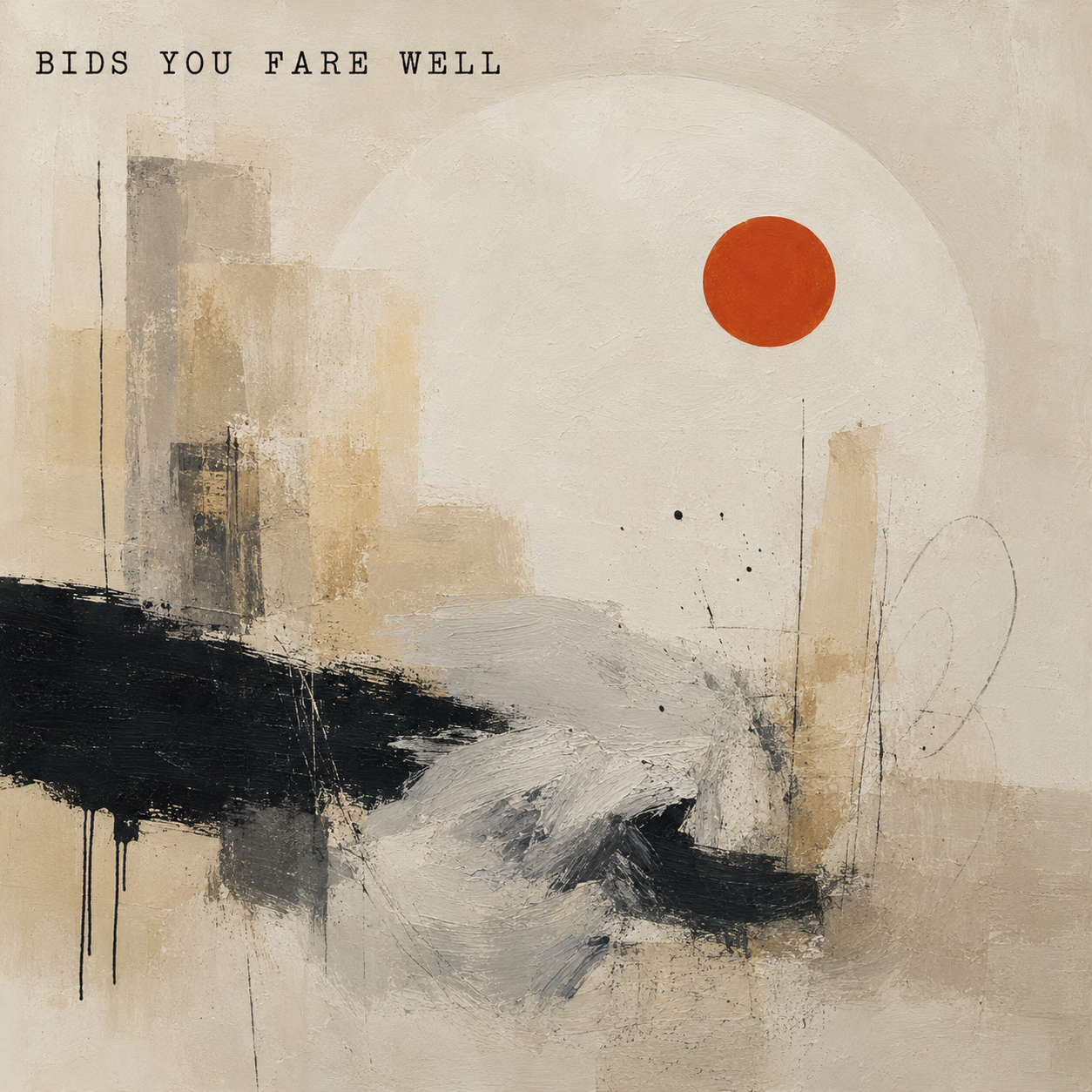
This track is a little more complicated because I change the rhyme scheme at various points and sometimes I abandon it altogether. Even the refrain in Bids You Fare Well doesn’t rhyme. So in this case, the feeling I’m trying to create is discontinuity.
As a poet inspired by early 20th century writing, it’s about how it feels to say what you’re saying.
6. What is your all-time favorite song by another artist and why?
There’s no correct answer to this question because favorites are a moving target, but when in doubt I always say Golden Years by David Bowie. It’s funky, it’s upbeat, and it has a fun story. It was originally written for Elvis but he didn’t want it.
7. What is the best advice you have either given or received in terms of music?
A friend of mine once told me that I need to learn to be more honest and vulnerable in my music. I doubt I’ve followed it, but it’s fantastic advice.
8. What is your proudest accomplishment?
My proudest accomplishment is in learning how to like people. It’s easy to fall prey to the demons of our nature when we’ve been wronged, or hurt, or feel abandoned in life. Learning how to get past that, and to enjoy the company of others, and to want to see them happy, that’s my proudest accomplishment. I’ve always wanted to be an artist, but art is just the transmission of feeling from one party to another. If I couldn’t learn to have the kinds of feelings worth sharing, then I never could’ve been what I consider a true artist.
I’ve always wanted to be an artist, but art is just the transmission of feeling from one party to another.
9. What’s been your most embarrassing moment so far?
Probably the first time I dropped out of college because it was dramatic and unexpected. The second time, it was my decision and I knew what I was doing. But that first time? Oof.
10. Tell us about your lowest and highest points in music so far.
The lowest point was when I first gave up music. I was in my mid-twenties, taking lessons, writing songs, and I got laid off. Before long, I was evicted and that meant selling most everything I had. It was like my whole life got put on a hiatus, especially creatively. But more recently, the high point has been my EP entitled 4RWW because it brought me back to the beginning.
When I was 12, I wrote my first poem after my grandfather passed away. The rhymes were simple, the metering was nonexistent, but my mom cried when she saw it. She printed several copies and paid to have it run in the paper.
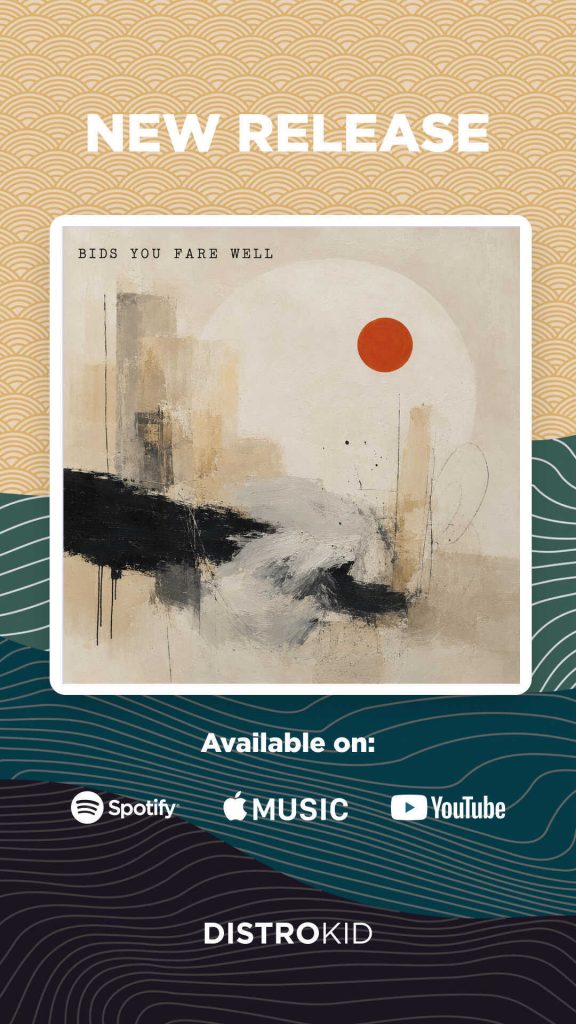
Last year, my stepfather passed away. He helped raise me, and while we never saw eye to eye on a single thing in the world except classic rock music, his sudden absence changed how I see life. I wrote that EP to encapsulate the ways that his passing changed how I see life and death at large. This new release, Bids You Fare Well, is also a poem I wrote after losing him, but I didn’t release it with the rest because it was too experimental and I just wasn’t happy with it yet.
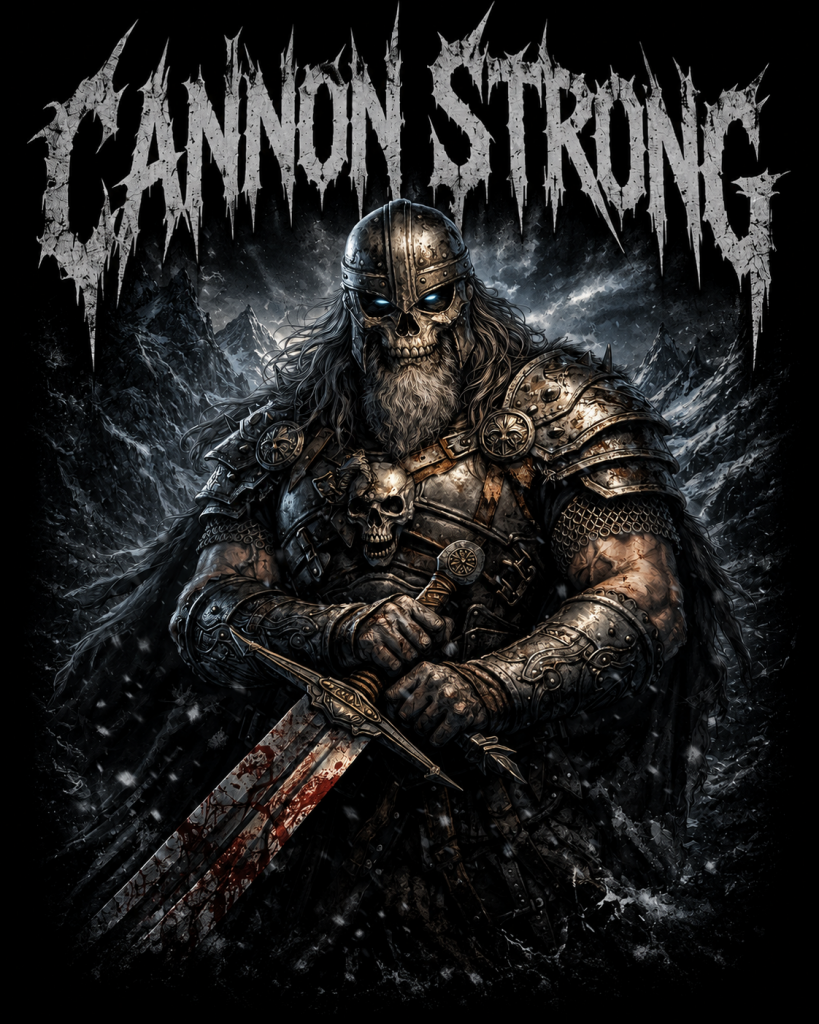
I’m originally from Massapequa Park, New York, but I’ve spent about half my life in the Pacific Northwest, living in both Oregon and Washington. Today, I call Bellingham, Washington, home, although I split my time between there and Koh Samui, Thailand. In January 2026, I launched Cannon Strong, a solo modern thrash metal project where I write, arrange, and produce every song, using AI to perform the instrumentation and vocals. The project blends my love of classic thrash metal with modern technology, creating original music, videos, podcasts, and behind-the-scenes content for fans who want to follow the journey.
2. What inspired Cannon Strong to start playing and making music?
Music has always been part of my life. I come from a family of harmonica players—my uncle, my brother, and me—and I started playing at age 10 before joining bands around New York by 13. Over the years, I played at blues jams throughout Portland, Seattle, and Bellingham, and after moving to Thailand, I began singing because local musicians often needed someone to handle the English lyrics. That led to becoming the vocalist for the thrash metal band Sonic Wall, followed by forming my own band, Samui Rock Revival, where I still sing and play harmonica. I’ve always been passionate about hard rock, heavy metal, and thrash, so when AI technology reached a level where it could bring my musical ideas to life, launching Cannon Strong as a solo modern thrash project felt like the perfect next step.
Over the years, I played at blues jams throughout Portland, Seattle, and Bellingham, and after moving to Thailand, I began singing because local musicians often needed someone to handle the English lyrics.
3. Who are Cannon Strong’s biggest musical influences?
My musical influences span the entire history of rock, beginning with the blues. It all starts with Robert Johnson, whose music laid the foundation for everything that followed, while Muddy Waters and the Chicago electric blues tradition sparked my love of powerful, amplified music. The Beatles defined what a great rock band could be, and I consider the Rolling Stones the greatest rock band of all time, with Mick Jagger as the ultimate frontman. Black Sabbath remains my favorite metal band and a major influence on my passion for heavy music. With Cannon Strong, I draw heavily from the Big Four—Metallica, Slayer, Megadeth, and Anthrax—along with Testament, Exodus, Cro-Mags, and Rage Against the Machine. The result is a modern thrash metal sound with progressive elements, featuring intricate songwriting that blends classic intensity with a contemporary, AI-powered approach.
4. What are your goals in the music industry or as an artist?
My goal? To take over the world! Just kidding. But seriously, many of the legends who built thrash metal are reaching the later stages of their careers. Metallica won’t be touring forever, and Megadeth has released its final studio album. I believe the genre will need a new generation of artists to carry the torch. My vision for Cannon Strong is to build a deep catalog of original thrash metal songs and then recruit professional musicians to bring them to life on stage, transforming an AI-powered studio project into a real, touring band. It’s a bit of reverse engineering—creating the music first, then building the band around it. I’ll likely recruit musicians from the Seattle-to-Bellingham metal scene, starting with a drummer, since that’s often one of the hardest positions to fill. While I may perform a few songs myself for fun, my primary focus is on writing great music and finding the right vocalist to bring Cannon Strong to life on stage.
5. Tell us about your creative process.
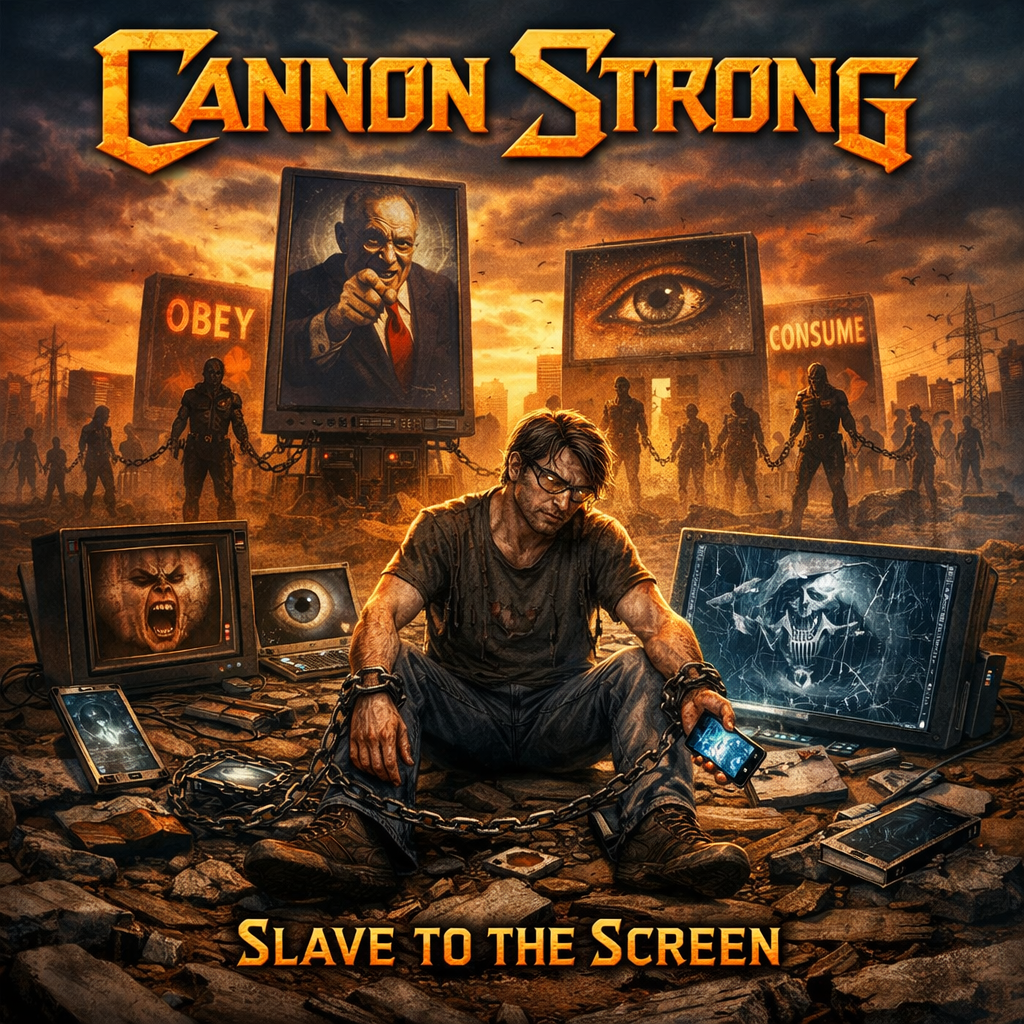
When it comes to songwriting, our project sound engineer, Sebastian, says there are two kinds of inspiration: things you love and things that annoy you. For thrash metal, I find it’s usually the things that annoy me that spark the best ideas. My latest song, “Slave to the Screen,” is a perfect example. It’s about the growing impact of technology and excessive screen time—something almost everyone can relate to today. I enjoy pairing an old-school 1980s thrash sound with modern themes that simply didn’t exist back then, giving the music a progressive edge while staying true to the genre. My goal is to write songs that are fast, loud, aggressive, and thought-provoking. If one of them happens to cross over into the hard rock audience, that’s great, but my heart will always be in thrash metal.
I enjoy pairing an old-school 1980s thrash sound with modern themes that simply didn’t exist back then, giving the music a progressive edge while staying true to the genre.
6. What is your all-time favorite song by another artist and why?
My favorite thrash metal song is “Holy Wars… The Punishment Due” by Megadeth. It has everything I love about the genre—lightning-fast riffs, technical precision, constantly changing song structures, and thought-provoking lyrics. The song never stands still; it takes the listener on a journey while maintaining an incredible level of intensity from beginning to end. To me, it’s one of the greatest examples of what thrash metal can achieve when musicianship, songwriting, and raw energy all come together. Megadeth’s Rust in Peace is my favorite thrash metal album.
7. What is the best advice you have either given or received in terms of music?
The quote that inspires me most came from my best friend, Rob “Bobby Beats” Vitale, frontman of the New York hardcore bands Black Train Jack and Nine Lives. About a year or two before he passed away from COVID, he told me, “Music can be a hobby or a career. What you put into it is what you get out of it.” That simple statement has stayed with me ever since because it’s true in music—and in life. Rob lived those words, touring the U.S., Europe, and Japan with Black Train Jack and sharing the stage with bands like The Offspring and Sick of It All. I think about his advice as I build Cannon Strong, and I hope I’m honoring his legacy by giving this project everything I’ve got. Rest in peace, my best friend and brother, Rob V.
8. What is your proudest accomplishment?
Outside of music, I recently authored a 500-page high school Earth and Space Science curriculum aligned with the Next Generation Science Standards (NGSS). The program includes a comprehensive textbook, teacher guide, lab activities, reading assignments, and assessments, creating a complete classroom resource. It’s incredibly rewarding to know that the curriculum is already being used by tens of thousands of students around the world, helping the next generation develop a deeper understanding of science.
The program includes a comprehensive textbook, teacher guide, lab activities, reading assignments, and assessments, creating a complete classroom resource.
9. What’s been your most embarrassing moment so far?
One of my most embarrassing moments happened while hiking in Alaska with my girlfriend. We were in grizzly country, so every 30 seconds we’d call out, “Hey, bear!” to avoid surprising one on the trail. About an hour into the hike, I spotted something moving on a distant hillside and immediately froze. Convinced it was a grizzly, I had us slowly change course to stay out of its path while trying to remain calm. As it got closer, I realized my terrifying bear was actually…a marmot. We both had a good laugh, and despite all the excitement, we never saw a single bear that day.
10. Tell us about your lowest and highest points in music so far.
The biggest challenge has been the backlash over my use of AI to create the vocals and instrumentation. I understand that AI in music is a controversial topic, but my perspective is that millions of people are already using AI in creative work. Rather than resist the technology, I’d rather use it to create something genuinely exciting. I also believe AI can introduce new listeners to rock and metal at a time when the genre has been losing mainstream popularity. If AI-generated music inspires more young people to discover metal, pick up a guitar, sit behind a drum kit, or start their own bands, then that’s a positive outcome for the future of the genre.
The biggest highlight has been launching Cannon Strong. In just six months, I’ve released six original songs, built an audience of approximately 1,600 monthly Spotify listeners and nearly 2,800 YouTube subscribers, produced official music and lyric videos, and had one video surpass 13,000 views. Seeing the project gain momentum has been incredibly rewarding. My goal is simple: keep writing the best music I can and do my part to bring metal back—one song at a time.
I am Cas du Pree from the Netherlands and I am an independent pop artist. I work 4 days a week to be able to create music. Currently I am changing up my style towards a more dance-pop/hyperpop because that’s what I love!
On wednesdays I have my own radioshow called Banging Sarcasm on XRPRadio where I display independent pop music that is completely polished. I started doing this almost 3 years ago and I absolutely love it. We have so much quality in the independent music scene! Ridiculous.
2. What inspired Cas du Pree to start playing and making music?
I grew up with the golden trio dominating the charts, and the way they were able to work their vocals always inspired me to be a singer. Whitney, Celine and Mariah have never stopped being my influence although my current music is more influenced by Dua Lipa and Sam Smith.
When I was about 8, I went to compete on a singing contest for children and I loved doing that. I didn’t start professionally until 2020 though.
Whitney, Celine and Mariah have never stopped being my influence although my current music is more influenced by Dua Lipa and Sam Smith.
3. Who are Cas du Pree’s biggest musical influences?
My influences cover such a wide span! My former and current music have completely different influences as well since my style shifted so much. It took me a while to figure out what I wanted to create and how to maintain my signature sound. That is quite the challenge.
My influences include: Elton John, George Michael, JP Cooper, Ella Eyre, Dua Lipa, Celine Dion, The Jonas Brothers, Ed Sheeran and many more. As you can see these are quite diverse!
4. What are your goals in the music industry or as an artist?
My goal always used to be to be able to make people feel and recognise my lyrics. I wanted them to be touched by my music. But in 6 years this has shifted a bit. It’s nice when this still happens but in the end I just want to have fun, and hopefully break even financially. I can see why many artists stop creating music because it is expensive, and if you don’t make any money and have to keep investing… Funds might dry up one day.
5. Tell us about your creative process.
My process really depends on a lot of things. For example whoever I work with. Some producers send me music to which I write to. Sometimes I send them written lyrics and a reference track to which they produce music to. And in some cases I even start with a melody or some chords that are stuck in my head.
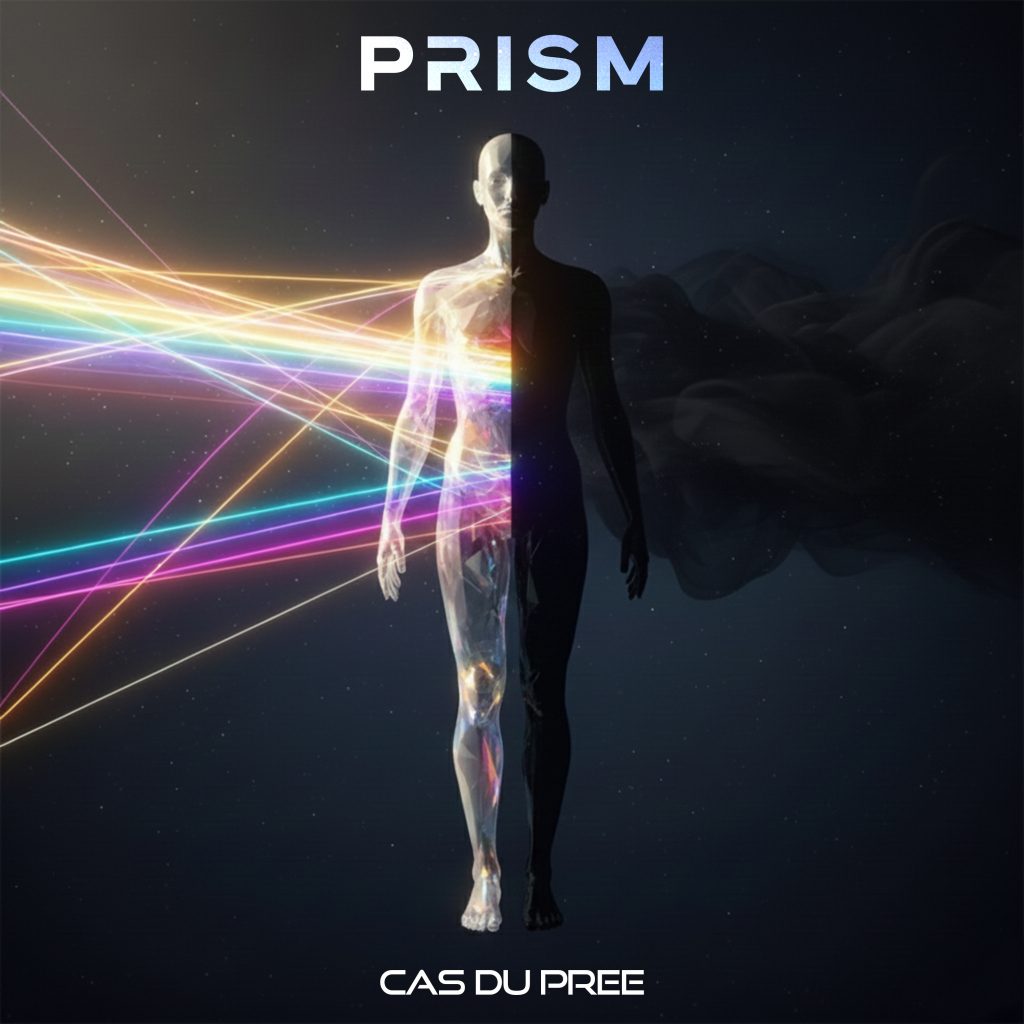
It’s important to me that I feel something. Whenever I have something in my mind, it has to trigger a feeling, memory or concept. I really am a concept thinker. For example when we wrote ‘Prism’, I immediately had the concept and look for the videoclip in my mind. So that’s what we worked towards.
Whenever I have something in my mind, it has to trigger a feeling, memory or concept.
6. What is your all-time favorite song by another artist and why?
This is such a hard question while we have so many great songs around! It depends on my mood, but if I can only choose 1: It’s All Coming Back to Me Now, by Celine Dion. The production and powerhouse vocals and range just do something to me!
7. What is the best advice you have either given or received in terms of music?
“You keep reinventing yourself, but still have your trademark in place. I can recognise you straight away no matter which track I’m listening too.” This is not really advice on a first glance, but if you look deeper it actually is! – Find your brand and keep expanding it. But stay true to yourself.
8. What is your proudest accomplishment?
In 2023 I won the Orpheus OGIMA award for song of the year. That was really something! And I’ll never ever forget that. A close second was headlining my own concert in a theater, before the album released. That album release concert was amazing, and I was surrounded by such great musicians. A night to remember for sure.
That album release concert was amazing, and I was surrounded by such great musicians.
9. What’s been your most embarrassing moment so far?
Let’s say it involves autocorrect and I’ve been calling (texting) industry people names that look a lot like “Whole” 😉 I have a song coming out about this later next year as well. Really hilarious!
10. Tell us about your lowest and highest points in music so far.
I think my lowest was when I finished my first album ‘Getting To Know Me’. I worked long days besides my day job to get it done. I didnt have a team back then and had to do 90% myself. Some days I sat behind my laptop from 8.00 in the morning until midnight, 6/7 days per week. When the album was 100% finished I felt completely drained. I didn’t feel any joy during the process.
I feel it was needed though. Because a high point followed after. Since I had to dive into every part of the process from start to finish, I knew how every part worked and where to register everything to make sure everything was setup right. It got easier with newer releases and now I’m even helping other artists out to maximise their processes.